Why Test For Food Allergens?
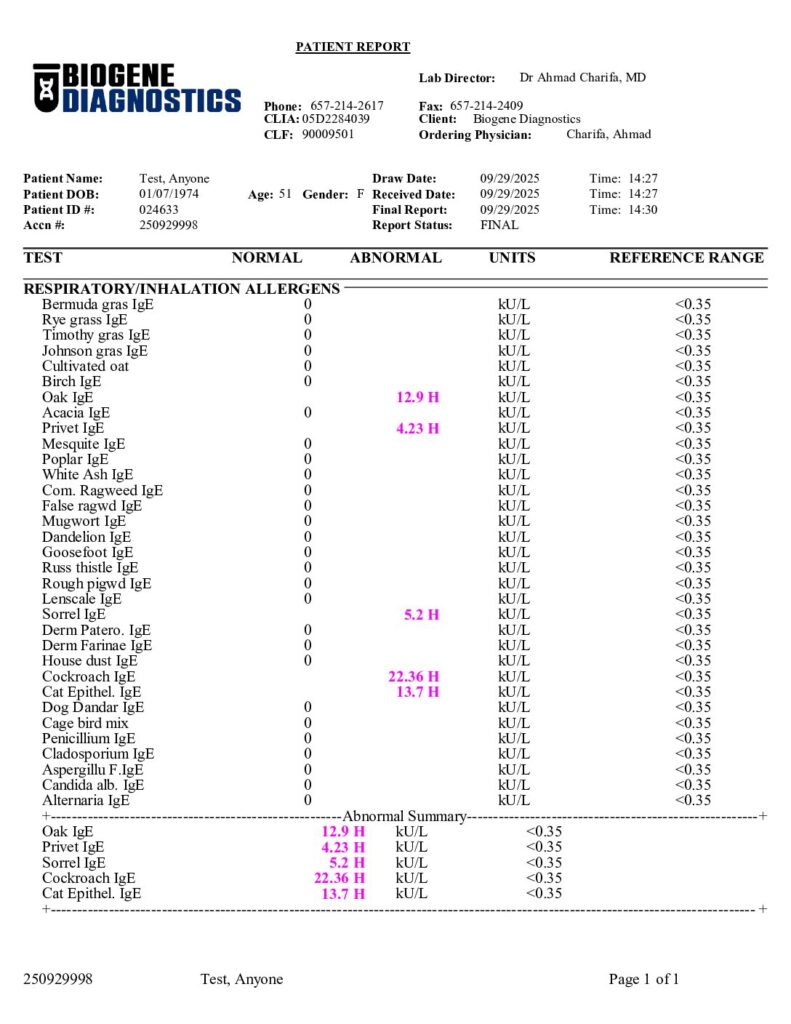
Food allergy testing is done to identify which foods trigger immune reactions, prevent serious complications like anaphylaxis, and guide safe and accurate diet planning without unnecessary restrictions. Food allergy testing can uncover reactions to common allergens such as peanuts, dairy, wheat, soy, and other foods that may cause digestive discomfort, rashes, or more severe allergic reactions.






























Why Test for Respiratory/Inhalation Allergens?
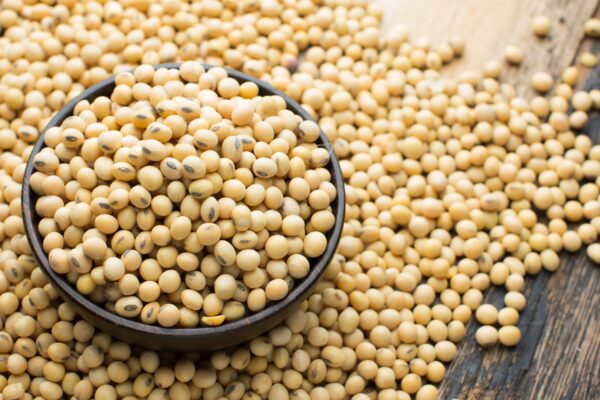
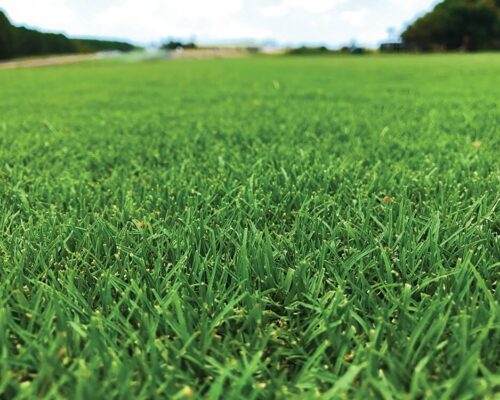
Inhalation allergy testing is done to identify airborne triggers to help prevent or reduce respiratory issues like asthma and rhinitis, and guide effective avoidance strategies and targeted treatment plans. Inhalation allergy testing screens for environmental triggers including pollen, dust, pet dander, grasses, and more, helping patients and providers better understand seasonal or year-round respiratory symptoms.
Allergy testing panels
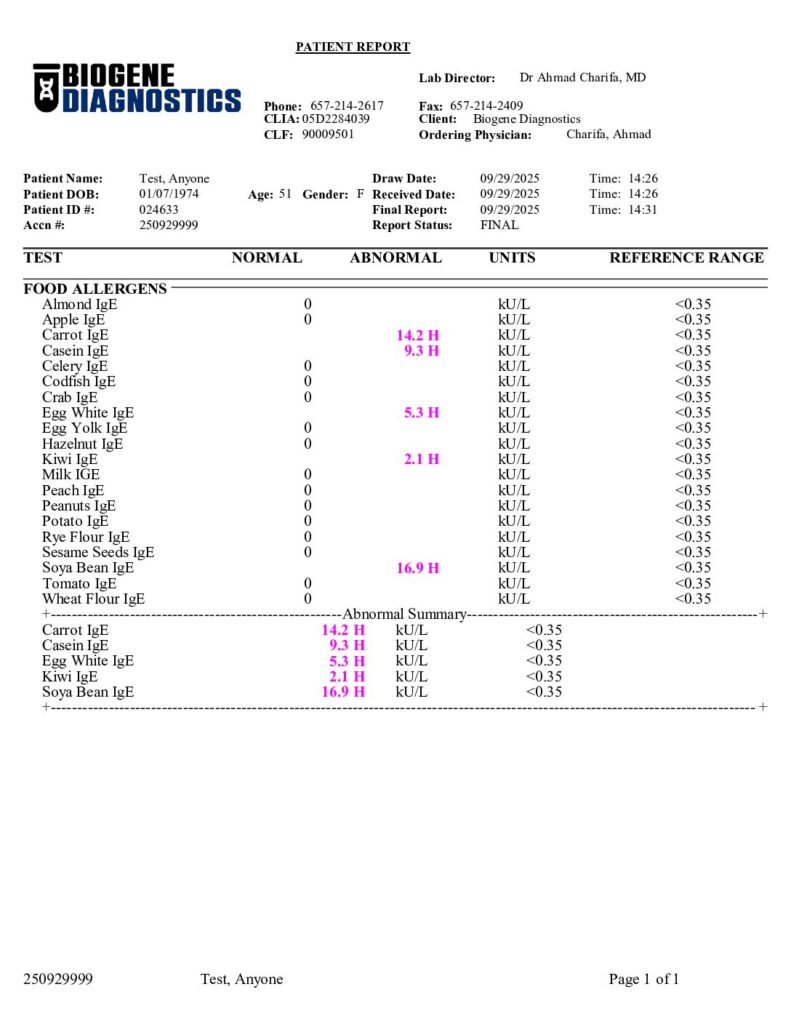
Food Allergens
Almond IgE
Apple IgE
Carrot IgE
Casein IgE
Celery IgE
Codfish IgE
Crab IgE
Egg White IgE
Egg Yolk IgE
Hazelnut IgE
Kiwi IgE
Milk IGE
Peach IgE
Peanuts IgE
Potato IgE
Rye Flour IgE
Sesame Seeds IgE
Soya Bean IgE
Tomato IgE
Wheat Flour IgE
Inhalation Allergens
Bermuda grass IgE
Rye grass IgE
Timothy grass IgE
Johnson grass IgE
Cultivated oat
Birch IgE
Oak IgE
Acacia IgE
Privet IgE
Mesquite IgE
Poplar IgE
White Ash IgE
Com. Ragweed IgE
False ragweed IgE
Mugwort IgE
Dandelion IgE
Goosefoot IgE
Russ thistle IgE
Rough pigweed IgE
Lenscale IgE
Sorrel IgE
Derm Patero. IgE
Derm Farinae IgE
House dust IgE
Cockroach IgE
Cat Epithel. IgE
Dog Dandar IgE
Cage bird mix
Penicillium IgE
Cladosporium IgE
Aspergillu F.IgE
Candida alb. IgE
Alternaria IgE